
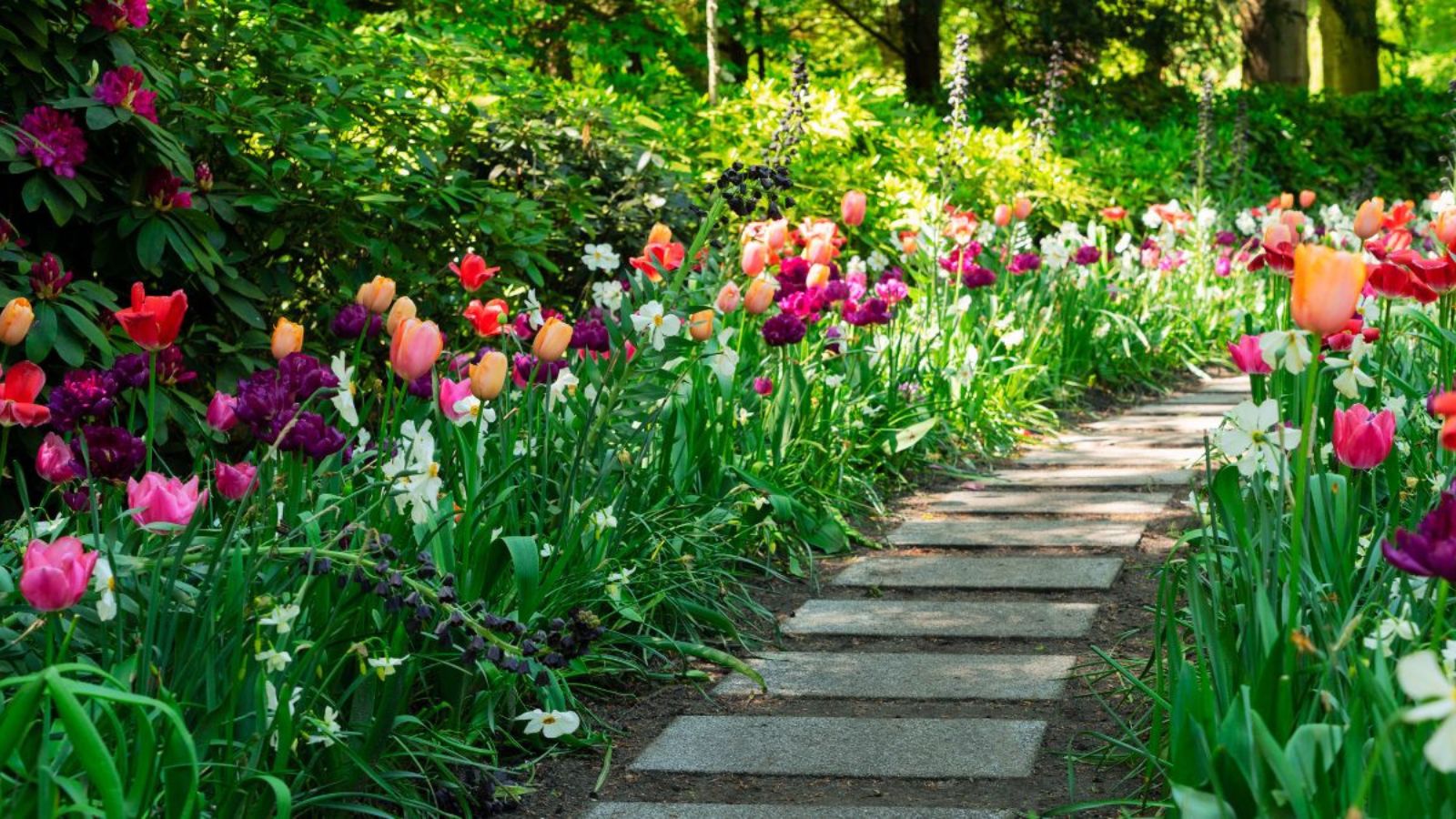
The most common spring landscaping questions focus on preparing yards for the growing season, including when to mulch and when to begin watering. Mulch should be put down after the soil warms but before weeds grow. This usually happens in early to mid-spring. Start watering once the soil is thawed and plants show new growth.
The guide provides insights on proper mulch timing to protect soil and reduce weeds, and guidance on beginning watering without overdoing it. Practical tips cover mulch types, depth, and timing, along with simple watering strategies that conserve water and support plant health.
Q&A: Answering the Most Common Spring Landscaping Questions
Spring Mulching Best Practices
Mulch should be applied after the soil thaws and before weeds establish. The mulch type should suit the plants, with a thickness of 2–4 inches, while keeping it away from stems and trunks.
When Is the Best Time to Mulch?
Mulching is recommended in early spring once the ground is workable and no longer frozen. The ideal window occurs after the last hard freeze but before weeds grow aggressively.
Soil temperature can be checked by touch: if it crumbles and allows digging 1–2 inches easily, mulching can begin. Mulching too early over frozen soil traps cold; too late allows weeds to establish. In many temperate regions, this is typically March to April, but timing should be adjusted based on local frost dates.
Mulch should be applied after spring cleanup, and any pre-emergent herbicide is in place, preventing weed seed germination and ensuring heat and moisture build properly around roots.
Benefits of Early Spring Mulching
Early mulching suppresses weed growth when seedlings emerge. A 2–4 inch layer blocks sunlight to weed seeds and reduces manual weeding.
Mulch also stabilizes soil moisture, reducing the need for watering during dry spells, moderates soil temperature, and contributes nutrients and structure as organic mulches break down over the season.
Additionally, mulch decreases erosion and prevents soil crusting, helping new roots establish more easily and promoting healthier growth in flower beds, shrubs, and new plantings.
Choosing the Right Mulch for the Landscape
Mulch should be selected based on plant requirements, aesthetics, and maintenance. Shredded bark or hardwood is suitable for flower beds and shrubs, offering durability and resistance to compaction. Compost or well-aged wood chips provide nutrients around vegetables and perennials.
Fresh sawdust or unaged wood chips should be avoided near plants as they can deplete nitrogen. Pine needles or fir bark are ideal for acid-loving plants, while mixed hardwood works for neutral gardens.
Maintain a 2–4 inch depth and keep mulch 1–2 inches away from stems and trunks to prevent rot and pests. Refresh mulch annually or as it decomposes, and test soil pH and nutrients if using large amounts.
Optimal Spring Watering Techniques
Watering should start when the soil is workable, and plants show new growth. Soil moisture, air temperature, and recent rainfall should guide deep, infrequent watering to encourage strong root systems.
When Can Watering Begin?
Watering can begin when daytime temperatures consistently reach 50s°F (10–15°C), and the soil is neither frozen nor saturated. Lawns should be watered when the grass turns a steady green or new shoots appear. New plants may need lighter watering every other day until their roots grow strong. After that, water deeply and less often.
Heavy rain periods should be avoided. If 0.5 inch or more of rain fell in the past week, skip irrigation. Soil probes or trowels help confirm moisture levels to prevent overwatering.
How to Assess Soil Moisture in Early Spring
A trowel or soil probe can dig 3–4 inches near roots. Soil should feel slightly damp but not soggy. Wet clumps indicate the need to wait before watering.
The ribbon test can also be used: sand-based soil won’t form a ribbon; clay will. Ideal soil briefly holds its shape, then crumbles. For lawns, a screwdriver should penetrate easily; resistance indicates the soil is too wet.
Setting an Effective Watering Schedule
Water deeply 1–2 times per week rather than using shallow daily sprays. Lawns typically need 0.75–1 inch per session, measured with a container. Trees and shrubs require slow watering to reach 6–12 inches in the root zone.
Early morning watering, between 4 and 9 AM, reduces evaporation and disease risk. Frequency should be adjusted after rain, heat spells, or new growth. Rainfall and soil checks help determine whether scheduled watering can be skipped.
Frequently Asked Questions
What is the optimal season for applying mulch to gardens?
Mulch after soil warms but before heat stresses plants, typically late spring with soil temperatures around 50–55°F (10–13°C). Spread a 2–3 inch layer of organic mulch and keep it 1–2 inches from stems and trunks. Replenish mulch as needed.
How soon in spring should regular watering start?
Begin when the soil no longer retains moisture from spring rains, and the top 1–2 inches of soil dry between rains. Water deeply 1–2 times per week, aiming for 1 inch for established lawns, more for new plantings.
What are the best springtime preparations for a healthy lawn?
Remove dead grass, thatch, and debris once the soil is workable. Core aeration helps root growth and nutrient uptake. Follow with overseeding thin areas and applying starter fertilizer.
Inspect for winter damage and remove broken branches. Test soil pH and nutrients, correcting deficits before heavy growth. Apply slow-release fertilizer if needed. Mulch beds and refresh irrigation for consistent moisture.
How can plants be protected from late spring frosts?
Move potted plants to sheltered spots or cover vulnerable plants with frost cloth or old sheets overnight. Remove covers during the day. Wrap trunks of small trees and shrubs and avoid pruning until after the last frost.
What are the recommended spring pruning practices?
Prune spring-flowering shrubs after blooming. Summer-flowering shrubs can be pruned early in spring while dormant. Trim roses and remove dead wood from perennials with clean, sharp tools, making angled cuts above healthy buds.
Arbor Hills Landscaping Company Omaha | Best Landscaping Company in Omaha, NE
Arbor Hills Trees & Landscaping Services can provide you with everything from detailed maintenance programs to unique plant production and other services in between. That means we build water features, walls, patios, irrigation, walkways, outdoor kitchens, lighting, and anything else you can help us dream up. Our professionally trained staff can build the landscape of your dreams and keep you from breaking any Home Landscaping Rules. Contact us today.