
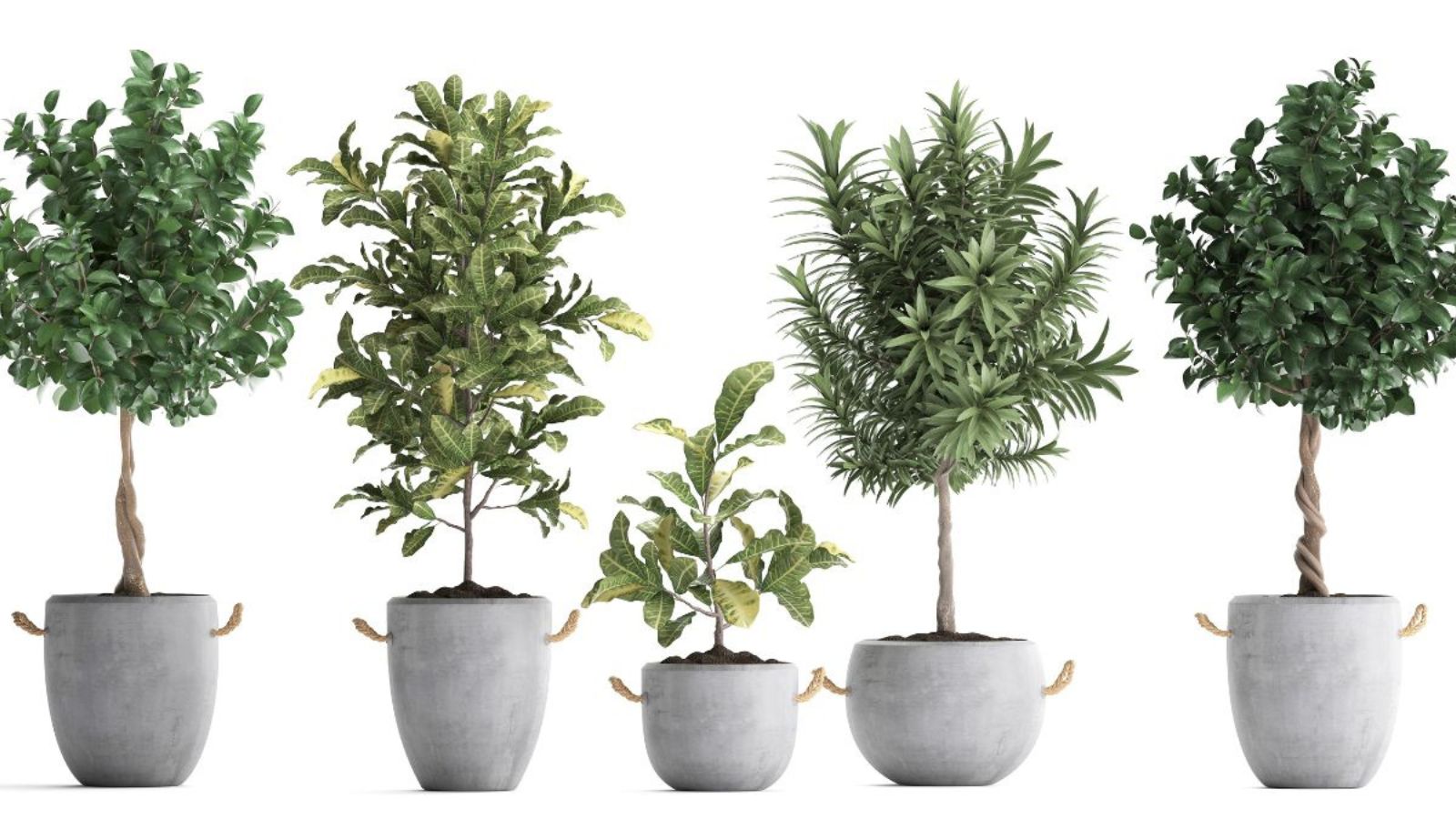
Indoor and outdoor trees require different care routines, yet understanding their similarities helps maintain healthy plants in any space. Long-term success depends on proper light, soil, watering, and environmental management. Indoor trees need controlled conditions in indoor spaces, while outdoor trees rely on natural sunlight, soil stabilization techniques, and seasonal cycles.
Both indoor and outdoor trees benefit from regular feeding, proper soil, and pest checks, but methods and timing differ with the setting. This article examines their care differences, environmental adaptations, and practical strategies for keeping trees thriving.
Indoor Trees vs. Outdoor Trees: How Care Differs and What They Have in Common
Indoor trees need steady light, controlled humidity, and regular pruning. Outdoor trees face changing seasons, wider root space, and varied pests.
Typical Species and Their Characteristics
Different species adapt uniquely to indoor or outdoor environments:
- Indoor trees: Ficus, rubber plant, fiddle-leaf fig, and dwarf citrus; tolerate lower light and smaller root zones, with broader leaves and slower growth when pot-bound.
- Outdoor trees: Maples, oaks, pines, and fruit trees like apples or cherries; develop deep roots, large canopies, and strong trunks to handle wind and snow, often going dormant in winter.
- Dual-environment trees: Some species, like citrus, grow large outdoors in warm climates but remain as potted dwarf varieties indoors. Knowing a tree’s natural size and light needs helps match it to the space.
Growth Habits and Lifespan Differences
Indoor trees grow more slowly because pots limit root spread and nutrient uptake, requiring repotting, pruning, and soil management. Lifespan varies, with some indoor species like ficus living decades, while others decline sooner from root stress or low light.
Outdoor trees grow faster and often live longer, accessing more water, nutrients, and space for roots. Environmental stressors affect both types: indoor trees face pests and overwatering, while outdoor trees deal with storms, drought, and diseases, shaping growth rate and longevity.
Environmental Adaptations
Indoor trees adjust to indirect light, steady temperatures, and controlled humidity, developing larger leaves, thinner stems, and shallower roots suited to pots. Many are sensitive to sudden light changes or cold drafts, so careful placement, monitoring, and tools like grow lights or humidifiers help maintain healthy growth.
Outdoor trees adapt to full sun, wind, seasonal temperature swings, and variable rainfall, building thicker bark, deep roots, and seasonal dormancy cycles. Selecting cold-hardy or drought-tolerant species reduces maintenance and improves survival in local climates.
Benefits for Homes and Landscapes
Indoor trees improve air quality, add vertical interest, and soften empty corners. Some, like dwarf citrus, provide fruit or shade from windows, with east- or south-facing placement offering optimal light.
Outdoor trees provide shade, stabilize soil, support wildlife, and increase property value while reducing energy costs. Fruit and flowering trees add seasonal beauty and food for pollinators. Both indoor and outdoor trees also support mental well-being by reducing stress and enhancing connection to nature.
Essential Care Differences and Shared Needs
Both indoor and outdoor trees require proper light, water, nutrients, and pest management, with care tailored to their environment and species.
Light Requirements
Indoor trees need bright, indirect light, ideally near south- or west-facing windows, with pots rotated periodically. Grow lights can supplement under six hours of natural light, using LED full-spectrum fixtures for 8–12 hours.
Outdoor trees require direct sun or partial shade, depending on species and USDA zone, with light influencing flowering, leaf size, and dormancy, so adjust placement or prune as needed.
Watering Routines and Humidity
Indoor trees need consistent, measured watering, allowing the top 2–3 inches of soil to dry and avoiding standing water with drained pots and saucers. Humidity can be increased with pebble trays, plant grouping, or a humidifier for tropical species.
Outdoor trees require deeper, less frequent watering to encourage strong roots, with mulch conserving moisture and moderating soil temperature.
Soil Selection and Fertilization
Indoor trees thrive in well-draining potting mixes with perlite or coarse sand and should be fertilized every 4–8 weeks during the growing season, reducing or stopping in winter.
Outdoor trees grow best in soil suited to the site, with loam preferred, though clay or sandy soils can be amended with compost. Slow-release or species-specific fertilizers applied in early spring support growth, flowering, and fruit set.
Pruning and Disease Management
Indoor pruning maintains shape, improves light access, and removes dead or leggy growth, with tools sterilized between cuts and pests like spider mites treated early.
Outdoor pruning focuses on structure and health, removing dead wood, crossing limbs, and weak crotches during dormancy. Both indoor and outdoor trees require monitoring for diseases or pests, using targeted treatments or fungicides as needed.
Frequently Asked Questions
What are the key care differences between indoor and outdoor trees?
Indoor trees need stable temperatures, controlled humidity, and protection from drafts, while outdoor trees face seasonal changes, wind, and natural predators. Indoor trees require more monitoring of soil moisture; outdoor trees need pruning and staking when young.
How often should indoor and outdoor trees be watered?
Indoor trees need less frequent, consistent watering, allowing soil to dry slightly, usually every 1–3 weeks. Outdoor trees require deeper, less frequent watering, with young or drought-stressed trees needing extra attention.
Do indoor and outdoor trees face the same pests and diseases?
Some pests, like aphids, scale, spider mites, and fungal leaf spots, affect both. Indoor infestations can go unnoticed, while outdoor pest pressure is higher; regular inspection and early treatment are essential.
What lighting do indoor and outdoor trees need?
Indoor trees need bright, indirect light from south- or west-facing windows, supplemented by grow lights if needed. Outdoor trees require full sun, partial shade, or shade depending on species and yard conditions.
How do soil and fertilization needs differ?
Indoor trees thrive in well-draining potting mixes and need light fertilization every 4–8 weeks. Outdoor trees grow in native soil enriched with compost, with young trees fed more often and established trees fertilized once or twice annually.
Can indoor trees be moved outdoors and vice versa?
Yes, but gradually. Move indoor trees outside over 1–3 weeks to avoid stress, and acclimate outdoor trees indoors by slowly reducing light and adjusting humidity; not all species tolerate the change.
Arbor Hills Landscaping Company Omaha | Best Landscaping Company in Omaha, NE
Arbor Hills Trees & Landscaping Services can provide you with everything from detailed maintenance programs to unique plant production and other services in between. That means we build water features, walls, patios, irrigation, walkways, outdoor kitchens, lighting, and anything else you can help us dream up. Our professionally trained staff can build the landscape of your dreams and keep you from breaking any Home Landscaping Rules. Contact us today.