
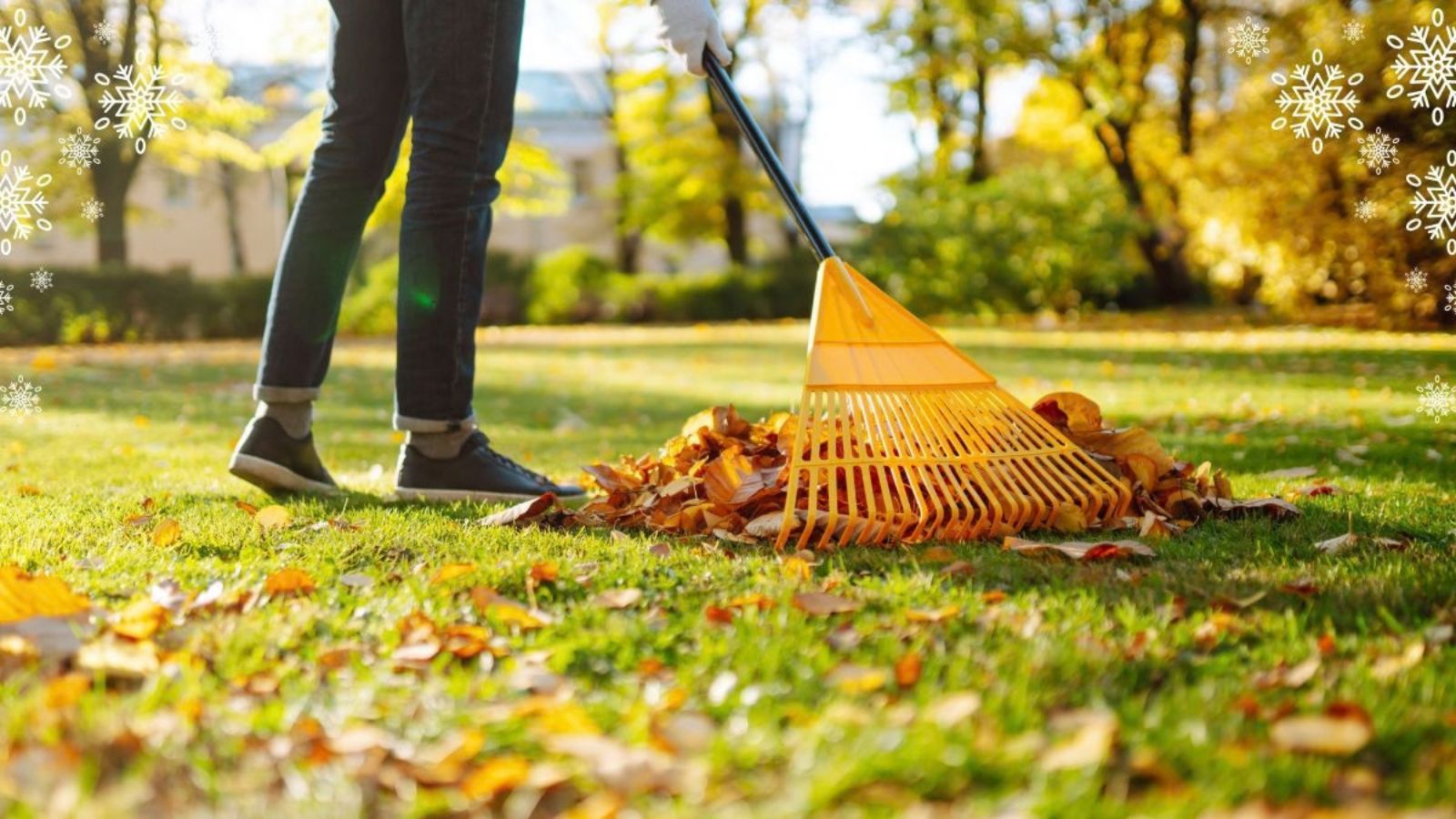
A lawn can look healthy as fall temperatures drop while still carrying issues that may become more noticeable after winter. Compacted soil, uneven growth, excess leaves, or areas that struggled during summer can affect how well the lawn enters dormancy.
Omaha lawn winterization focuses on preparing the lawn and surrounding landscape for colder conditions rather than following a fixed list of fall chores. The right steps depend on the lawn’s condition, soil, recent weather, and exposure to snow, ice, and winter traffic.
The Lawn’s Condition Comes First
A common misconception is that every lawn needs the same winter preparation. In practice, different problems call for different steps.
Before planning late-season maintenance, check for:
- Compacted soil: Heavy foot or equipment traffic may limit air and water movement.
- Thin or stressed turf: Weak areas may need attention before dormancy.
- Heavy leaf coverage: Thick layers can remain over grass as winter approaches.
- Poor drainage: Low areas may stay wet longer as temperatures fall.
- Winter exposure: Turf near roads, driveways, and sidewalks may be exposed to salt and snow.
This assessment helps determine which maintenance tasks are useful. A lawn with healthy soil and manageable leaf coverage may need a different plan from one with compaction or heavy debris.
Fall Aeration Improves Soil
Compacted soil can be easy to overlook during fall cleanup. A lawn may appear healthy while the soil underneath has become compressed from foot traffic, mowing equipment, or normal use.
Core aeration removes small plugs of soil, creating pathways for air, water, and nutrients to move through the root zone.
For cool-season turf, fall is generally a useful period for aeration because grass can continue developing roots while above-ground growth slows. Arbor Hills Landscaping also identifies fall as the preferred time to aerate cool-season lawns.
Aeration is not automatically necessary for every property. The practical question is whether compaction is limiting the lawn’s performance.
Leaf Management Matters
Leaves are sometimes treated as purely cosmetic, but heavy or wet accumulation can remain pressed against turf for extended periods.
Before winter, look for:
- Light coverage: Leaves are spread thinly and may be suitable for mulching.
- Heavy accumulation: Several layers have collected beneath mature trees.
- Wet leaves: Moisture has caused leaves to stick together.
- Concentrated piles: Wind has moved leaves into low areas or against landscape features.
The goal is not necessarily to remove every leaf. It is to prevent excessive material from remaining over turf where it becomes difficult to manage.
Planting beds may require a different approach from open lawn areas, especially where leaves can be left without covering grass or blocking drainage.
Fertilizer and Watering
Winter preparation does not mean applying as much fertilizer or water as possible before the cold arrives.
Fertilizer should be based on grass type, soil conditions, and nutrient requirements. Watering also changes as temperatures fall and grass growth slows.
A useful late-season assessment considers:
- Current soil moisture
- Recent rainfall
- Grass condition
- Expected temperature changes
- Known nutrient deficiencies
The objective is to prepare the turf without adding treatments the property does not need.
Prepare for Snow and Salt
Some winter problems begin outside the lawn itself.
Salt from roads, driveways, and sidewalks can move with melting snow and water. Turf and plants near these areas may require more attention than areas farther from treated surfaces.
Snow placement also matters. Repeatedly piling large amounts of snow in one area can leave that section covered and wet longer than surrounding turf.
Before winter, consider:
- Where snow will be placed during removal
- Which lawn areas are exposed to road salt
- Whether salty runoff can reach planting beds
- Whether drainage areas are clear
- Which surfaces receive frequent winter traffic
Arbor Hills Landscaping recommends taking precautions around plants exposed to winter salt, including managing where de-icing materials and salty runoff reach the landscape.
Timing Matters Before Winter
Waiting until the first major freeze is not always practical.
Omaha’s ground commonly begins freezing between late November and mid-December, although timing varies with weather and soil conditions. Once the ground is consistently frozen, soil-related maintenance becomes more difficult.
For Omaha lawn winterization, timing matters because soil-related work becomes harder once the ground is consistently frozen.
A useful approach is to monitor the lawn as fall progresses rather than choosing one date for every property.
Pay particular attention to:
- Before sustained freezing: Complete soil-related work while the ground remains workable.
- During active leaf drop: Monitor areas beneath mature trees.
- Before prolonged snow cover: Clear excessive leaves and debris from turf.
- Before winter weather: Identify snow-storage areas and salt exposure.
The timing of individual tasks can vary. What matters is completing appropriate work while conditions allow it.
Prioritize the Right Lawn Care
Not every property needs the same combination of winterization services. Match each maintenance decision to a condition that actually exists.
| Condition | What to Review | Practical Consideration |
|---|---|---|
| Compacted soil | Heavy traffic or poor water movement | Consider fall aeration while the ground is workable |
| Heavy leaves | Thick or wet accumulation | Mulch manageable coverage or remove excess material |
| Thin turf | Weak or stressed areas | Determine whether additional fall care is needed |
| Salt exposure | Areas near roads and walkways | Limit salty runoff and manage de-icing carefully |
| Snow accumulation | Repeated snow placement | Avoid concentrating snow where it may create prolonged wet conditions |
This property-specific approach can prevent unnecessary work. A lawn does not need every possible treatment simply because winter is approaching.
Prepare the Lawn for Winter
Winter lawn preparation is about addressing conditions that could make the transition into dormancy more difficult.
Checking soil compaction, managing excessive leaves, adjusting moisture needs, and planning for snow and salt exposure can help put the property in better condition before winter arrives.
The practical approach is to focus on what the lawn actually needs rather than applying every fall treatment automatically.
Frequently Asked Questions
Can winterization be completed if the lawn had problems during summer?
Yes. Some late-season issues can still be addressed before dormancy, although winter preparation is not a substitute for correcting every underlying lawn problem. An assessment can help determine which issues should be addressed before winter.
What should happen to irrigation as temperatures drop?
Irrigation schedules should be adjusted as weather and soil moisture change. Continuing a summer schedule without considering rainfall and cooler conditions can provide more water than the lawn needs.
Should snow be piled on the lawn?
Snow may need to be stored on lawn areas when space is limited, but repeated or concentrated piles can leave sections covered and wet longer. Consider drainage, salt exposure, and sensitive landscape areas when choosing where to place it.
Can winterization help with drainage problems?
It can help identify conditions that may contribute to winter or spring problems, but seasonal maintenance does not replace a solution for significant drainage issues. Persistent standing water may require an evaluation of grading or drainage.
Is winterization the same for every type of grass?
No. Grass type affects mowing, fertilization, aeration, and seasonal growth patterns. Cool-season turf common in the Omaha area has different seasonal considerations from warm-season grasses.
Arbor Hills Landscaping Company Omaha | Best Landscaping Company in Omaha, NE
Arbor Hills Trees & Landscaping Services can provide you with everything from detailed maintenance programs to unique plant production and other services in between. That means we build water features, walls, patios, irrigation, walkways, outdoor kitchens, lighting, and anything else you can help us dream up. Our professionally trained staff can build the landscape of your dreams and keep you from breaking any Home Landscaping Rules. Contact us today.